
## What is after-hours grocery delivery monitoring?
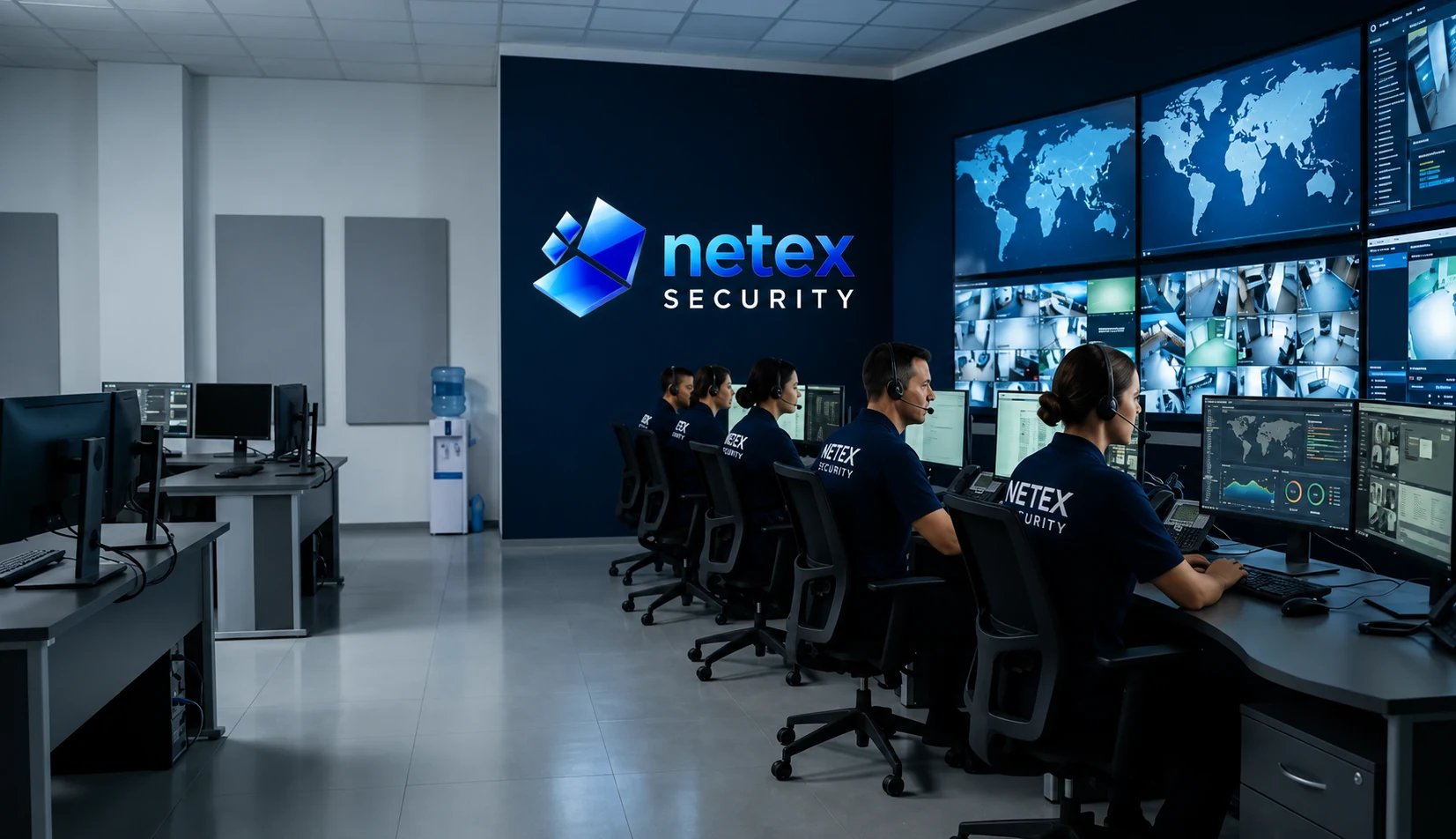
After-hours grocery delivery monitoring uses live human CCTV observation to assess activity around receiving doors, unloading areas and delivery access points when store staffing is limited or the shop is closed. The purpose is to distinguish expected deliveries from activity that needs attention, then follow an agreed response procedure. Netex Security provides 24/7 live human remote CCTV monitoring, with voice-down intervention and incident escalation where configured. Recording preserves footage for review; active monitoring adds an opportunity to respond while an event is unfolding. It does not replace secure doors, trained receiving staff or a clear delivery authorization process.
## Define the delivery exception before choosing the response
Start with the situations your store wants operators to flag. Examples include a vehicle arriving outside its expected delivery window, someone approaching a receiving door after a driver leaves, or goods remaining outside after unloading appears complete. These are exceptions to assess, not automatic proof of theft. A delayed supplier, changed route or authorized collection may explain the activity. Give the monitoring team current delivery windows, approved waiting areas, relevant supplier information and a contact who can confirm unexpected arrivals. Specify who may authorize access. An operator should not infer permission from a branded vehicle, uniform or confident explanation alone.
### Match camera views to the receiving workflow
Review what operators can actually see before assigning monitoring tasks. Useful views may include the vehicle approach, receiving entrance, unloading space and route between the delivery area and the building. Check those views under the lighting conditions present during overnight deliveries. Glare, parked trailers, stacked pallets and an open loading door can obscure important activity. A camera covering the yard may show that a vehicle arrived without revealing what happened beside the receiving entrance. Identify blind spots and agree on the resulting limitations. Live monitoring depends on usable camera coverage, connectivity and visibility; it cannot resolve activity outside the available view.
### Set voice-down and escalation instructions
Write an intervention sequence that matches each exception. For an uncertain arrival, the first action might be to contact the designated store representative. For someone entering a restricted unloading area, an approved voice-down warning may be appropriate if a compatible speaker is available. Messages should describe the required action without making unsupported accusations. Define what happens if the person does not respond, the contact cannot be reached or the situation appears dangerous. Include backup contacts and criteria for contacting emergency services. Do not direct drivers or store staff to confront anyone. Monitoring supports a response; it cannot guarantee compliance or a particular emergency response time.
## Make delivery reports useful for the next shift
A useful delivery incident report separates observation from interpretation. Record the visible arrival and departure times, the area involved, what the operator observed, any voice-down message and the escalation outcome. Note uncertainty explicitly: an item disappearing behind a trailer is not the same as confirmed theft. Netex Security offers daily, weekly and monthly reporting; agree which delivery exceptions need immediate notification rather than waiting for a scheduled report. Store managers can compare reported events with receiving records and supplier communications. Camera footage alone should not be treated as proof that quantities, product condition or temperature requirements were correct.
## Frequently asked questions
Can existing grocery store cameras be used? Potentially, but camera access, image quality, coverage and connectivity need review before monitoring is arranged. Can remote operators confirm that a driver is authorized? They can follow an agreed verification procedure, but appearance alone does not establish authorization. Does delivery monitoring replace receiving staff? No. It supports security observation and escalation; physical receipt and product checks still require an appropriate store process. Is every unusual delivery an emergency? No. The response should reflect the observed behavior and the store’s instructions. What about privacy? Define the monitoring purpose, limit access appropriately and review applicable privacy, audio and workplace requirements for the site’s jurisdiction before deployment.
## Build a receiving-area monitoring brief with Netex Security
Before requesting a monitoring plan, gather your receiving-area layout, camera views, usual delivery windows, known visibility gaps and escalation contacts. Identify which events need an immediate call and which belong in routine reporting. Ask Netex Security to review how live human monitoring, delivery monitoring and voice-down intervention could fit that workflow. Your cameras record. We protect. The next step is a site-specific discussion about coverage, response instructions and practical limitations—not a promise that every loss can be prevented. Internal-link suggestions for editorial review: link “remote CCTV monitoring” to the relevant service page, “grocery store security” to the relevant industry page and “contact Netex Security” to the contact page; confirm destinations before publishing.