
What Does Remote CCTV Monitoring Do for Loading Dock Security?
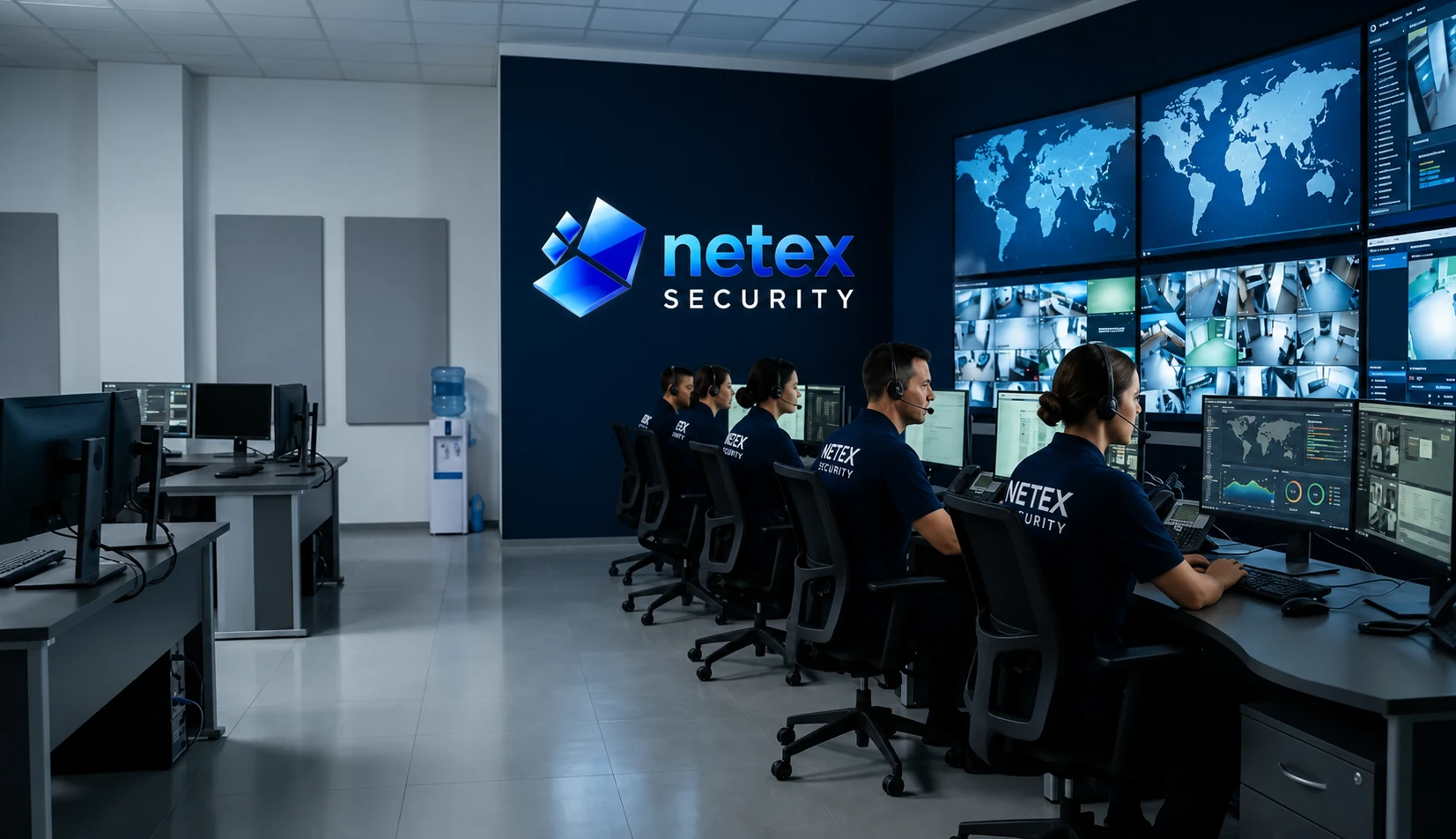
Remote CCTV monitoring connects loading dock cameras to trained human operators who observe activity, assess suspicious behavior and follow an agreed response plan. For after-hours deliveries, that can include checking activity against delivery instructions, issuing voice-down warnings where suitable audio equipment is installed, and notifying designated contacts. Netex Security provides 24/7 live human remote CCTV monitoring, helping turn recorded footage into an opportunity for timely intervention. Cameras show what is happening; monitoring adds people who can respond. It does not replace secure doors, delivery procedures or on-site responsibility.
Where After-Hours Loading Dock Security Breaks Down
A loading dock is both a working area and an access point. Drivers, employees, contractors and visitors may approach the same doors, while pallets, parked trailers or equipment can obstruct camera views. After hours, fewer staff may be available to challenge an unfamiliar person or notice a door left open. A recording-only system can preserve footage without prompting an immediate response. Useful monitoring focuses on observable events: someone approaching a restricted entrance, moving goods outside an expected delivery process, lingering near equipment or entering behind an authorized worker.
Build a Response Plan Around the Delivery Process
Start by documenting how an authorized delivery should happen. Specify the permitted arrival window, approved waiting area, correct entrance and person responsible for receiving the load. Give monitoring operators a way to check current instructions rather than asking them to infer authorization from a uniform or vehicle logo. Define what should trigger review, a voice-down warning or an urgent call. A late delivery and an attempted forced entry require different handling. Clear site instructions help operators distinguish routine exceptions from activity needing escalation.
A practical readiness checklist covers camera views of vehicle approaches, pedestrian routes, dock doors and goods staging areas; usable lighting during actual delivery hours; reliable connectivity; audio coverage where warnings are intended; and current primary and backup contacts. Test views with a trailer in position, not just with an empty dock. Confirm whether operators can see someone approaching a door before that person disappears behind a vehicle. Agree who receives incident reports and who updates delivery information when schedules change.
How Live Intervention and Escalation Should Work
When an operator identifies concerning activity, the next step should follow the site's approved procedure. Where voice-down is available and appropriate, a warning can tell someone that the area is monitored and direct them away from a restricted zone. If the activity continues or appears urgent, the operator can escalate to the designated contact or emergency services according to the response plan. Monitoring is not physical intervention, and responders' availability is outside the monitoring provider's control. The purpose is to identify concerns and initiate a suitable response, not promise a particular outcome.
Incident reporting should make follow-up easier. Useful details include the time, camera location, observed behavior, action taken and contact notified. Netex Security offers daily, weekly and monthly reporting options. For loading dock operations, review reports for recurring issues such as unclear waiting instructions, obstructed views or doors remaining open after deliveries. Keep descriptions factual: an unfamiliar person is not automatically a thief. Use relevant observations to improve procedures without turning every delivery exception into an accusation.
Loading Dock Monitoring FAQ
Can existing warehouse cameras be used? Start with a compatibility and coverage review; suitability depends on the system, connectivity and views available. Can operators confirm that a driver is authorized? They need agreed verification instructions and access to relevant delivery information; appearance alone is not confirmation. Does voice-down require additional equipment? Audible warnings require suitable connected audio equipment at the location. Can monitoring replace access control? No. Locked doors, credential controls and receiving procedures remain important. Is staff or visitor monitoring appropriate? Define a legitimate operational purpose, limit access to footage and review applicable privacy requirements for your location.
Plan Your Loading Dock Monitoring With Netex Security
If your warehouse accepts deliveries outside staffed hours, start with the gap between arrival and response. Ask Netex Security to review your camera coverage, delivery process, voice-down requirements and escalation contacts. Netex serves businesses in the USA, Australia and UK with live human camera monitoring, suspicious activity detection and incident escalation. A useful discussion begins with what operators need to observe and what they should do next. Your cameras record. We protect.
Internal-link suggestions for editorial implementation: link “24/7 remote CCTV monitoring” to the relevant service page, “warehouse security” to the warehouse industry page, and “voice-down intervention” to its service information. Link the CTA to the existing contact or consultation page. Confirm destination URLs before publication.