
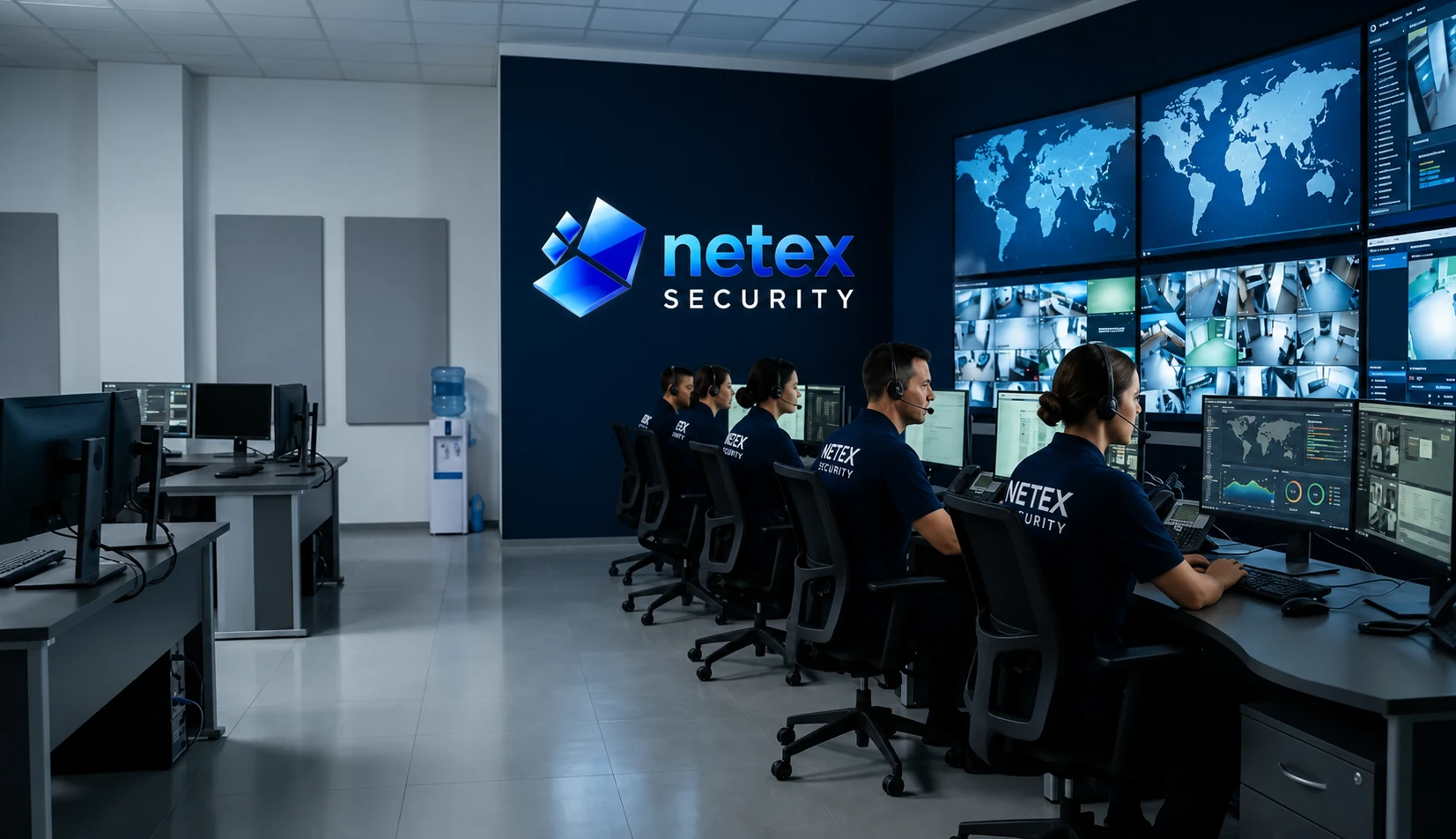
Gate tailgating occurs when a person or vehicle follows an authorized entrant through an access-controlled entrance without completing a separate access check. At a self-storage facility, a gate may open correctly while a second vehicle follows before it closes. Recorded footage can help explain what happened afterward; live human CCTV monitoring adds an opportunity to notice the activity while it is happening. The practical goal is to support access procedures, assess visible behavior and initiate an agreed response—not to assume that everyone following another vehicle is committing an offense.
Why a working gate can still leave an observation gap
Access control and camera monitoring serve different purposes. A gate controls an entry point, while cameras show activity within their field of view. Neither function alone confirms that every person entering has permission. A following vehicle might belong to an accompanying tenant, a visitor, a delivery driver or someone attempting unauthorized entry. Trained operators need clear site instructions to distinguish routine activity from situations requiring attention. Lighting, camera angle, vehicle queues and obstructions also affect what can be observed. Monitoring cannot compensate for an entrance that cameras do not adequately show.
What to check before monitoring the entrance
Start with a practical coverage checklist: can an operator see approaching vehicles, the gate opening, vehicles passing through and their direction after entry? Review footage during darkness as well as daylight, because headlights, glare and shadows can obscure activity. Confirm whether a second vehicle remains visible throughout the entrance sequence. Identify any pedestrian route that bypasses the vehicle gate. Then document operating hours, visitor arrangements, delivery procedures and maintenance exceptions. If audio intervention is planned, check speaker coverage and intelligibility. These checks establish what operators can reasonably assess and where physical improvements or clearer procedures may be needed.
How live operators can respond to suspected tailgating
A useful response starts with observation rather than accusation. An operator may see two vehicles pass during one gate-opening cycle, but that alone does not establish their authorization status. Under an agreed site procedure, the operator can use an available voice-down speaker to remind entrants to complete the required access process or contact the facility office. For example: “Please follow the facility’s entry procedure. If you need assistance, contact the office.” Operators should not direct anyone to reverse into traffic, approach a moving gate or confront another person. Any further response should follow the site’s escalation instructions.
After the warning: escalation and reporting
Define what happens if activity continues, a person approaches restricted areas or visible damage occurs. The response plan should identify the appropriate site contact, an alternate contact and circumstances requiring emergency escalation. Do not assume a monitoring operator can validate access credentials, lock a gate or control other equipment unless those capabilities have been explicitly arranged. Reports should separate observations from interpretations: what was visible, when it occurred, what warning was given and whom the operator contacted. Daily, weekly or monthly reporting can help managers review repeated entrance issues and refine procedures without treating an unverified suspicion as a confirmed incident.
Frequently asked questions about self-storage gate monitoring
Can live CCTV monitoring prevent every tailgating incident? No. Visibility, timing, site layout and individual behavior affect the opportunity to intervene; monitoring does not guarantee prevention. Does monitoring replace access control? No. It supports gates, credentials and visitor procedures by adding human observation and an agreed response process. Can an operator tell whether a driver is authorized from video alone? Usually not. Video shows visible activity, not necessarily permission. Any credential checks or access-record comparisons depend on the information and arrangements available at that site. A clear procedure helps operators respond proportionately when authorization is uncertain.
Build a response plan for your storage facility
Netex Security provides 24/7 live human remote CCTV monitoring, including suspicious activity detection, voice-down intervention and incident escalation. For storage facilities in the USA, Australia and UK, a useful starting point is a review of entrance coverage, after-hours activity and the actions operators are authorized to take. Contact Netex Security to discuss your gate layout, existing cameras, speaker availability and escalation contacts. Your cameras record. We protect. The aim is to turn visible warning signs into timely, appropriate action while keeping expectations grounded in the site’s actual equipment and procedures.
Internal-link suggestions: connect “24/7 remote CCTV monitoring” to the verified service page, “voice-down intervention” to an existing page explaining audio warnings, and “storage facility security” to the relevant industry page if available. Use confirmed destinations rather than creating unsupported URLs.